Daily Dashboard

“When I play with my cat, how do I know that she is not passing time with me rather than I with her?”
NASA Image of the Day

NASA's DAVINCI Probe Can Stand the Heat · October 2, 2026
Global Politics

Study of remains taken from royal cemetery at Umm el-Qa’ab appears to confirm early Egyptologist’s theory Court officials and craftspeople serving early Egyptian kings may have been sacrificed when their ruler died, according to research that found fractures in several ancient skulls. The royal cemetery of Umm el-Qa’ab near Abydos features the tombs and enclosures of the First Dynasty rulers of Egypt, and dates as far back as 3,000BC. Continue reading...
Read more →
Calls for release of six Matsadaash staff after one is charged, while whereabouts of other five remain unknown An Egyptian journalist has been charged with joining a terrorist group, days after an entire newsroom was detained in what rights groups have said is a crackdown on press freedoms. Last week, authorities arrested six journalists from the independent fact-checking and investigative platform Matsadaash – literally meaning “don’t believe” – accusing them in a statement of being unlicensed and publishing false news on behalf of the outlawed Muslim Brotherhood. Continue reading...
Read more →
Western Libya’s GNU say working with Saddam Haftar ‘impossible’ as US-backed merger plan breaks down Allegations that the son of the Libyan warlord Khalifa Haftar oversaw a “terror cell” that launched drone attacks on fuel storage facilities and power stations in western Libya have upended plans for the Tripoli-based government of national unity (GNU) to continue cooperating with Haftar on a plan to unify the country. Saddam Haftar, the deputy commander of the so-called Libyan National Army (LNA), has increasingly been seen by the US as an important figure in its plans to unify Libyan security, judicial and political institutions. Continue reading...
Read more →
Artwork created in Tahrir Square for Chinese president’s state visit to Egypt is painted over amid allegations it revived Afrocentric claims about pharaohs’ origins On the eve of the Chinese president Xi Jinping’s state visit to Cairo last month, the city authorities were busy removing a 66-metre-long mural from the esteemed guest’s line of sight. Depicting the Pharaoh Tutankhamun and Queen Nefertiti, the painting was among 40 murals commissioned to beautify the city for Xi’s arrival and was painted by a group of young volunteers, Rasmet Basma, in Tahrir Square. Continue reading...
Read more →
Support such as for white Afrikaners and anti-communism reveals how US is redefining what qualifies as human rights With hours left before the funding expires, the Trump administration is pushing to direct more than $175m of the state department’s flagship human rights fund to a slate of awards that includes a huge $40m grant for an anti-communism fund, support for a group advancing white Afrikaner rights in South Africa, a campaign against Brazil’s supreme court and programs that would reward ideological allies in Europe who protect “western civilizational norms”. On Wednesday, the state department obligated the funds to the grantees hours before the deadline despite congressional concerns and requests not to do so, according to a source familiar with the negotiations. The state department declined to comment on questions from the Guardian specifically on whether it had obligated the funds and had “blown” holds from Congress due to concerns about the money’s use. Continue reading...
Read more →
Parti Québécois promises to hold independence referendum in Canada’s French-speaking region by 2028 Voters in Quebec are going to the polls in provincial elections which will probably result in victory for a party that has promised to hold a referendum on independence from Canada within the next two years. If polls are correct, the Parti Québécois (PQ) will form the government of the province of roughly nine million, the first time that the separatist movement will have gained power in the French-speaking region for more than a decade. Continue reading...
Read more →
With neither candidate getting more than 50% of the vote, the election will go to a run-off on 25 October.
Read more →
US psychiatrist and neurologist Karl Deisseroth and his German colleagues Peter Hegemann and Georg Nagel have been awarded for their work.
Read more →
No reason has been given for the withdrawal, but it follows a major incident last week when police were alerted to "suspicious vehicles" near the airbase.
Read more →
For many locals on this island, the arrest has brought decades of frustration back to the fore.
Read more →
Lessons will be "totally or partly suspended" in some high schools after clashes between riot police and student protesters, France's education minister says.
Read more →
The aircraft lost communication with flight controllers after significantly dropping in altitude, according to flight data.
Read more →A U.S. Marine has been arrested on suspicion of murder in Okinawa, prompting renewed Japanese criticism of the conduct of American military personnel.
Read more →The Nobel Prize in medicine was awarded Monday to three scientists working on the mechanisms the brain uses to switch on, or off, the activity of individual nerve cells.
Read more →A judicial spokesperson confirmed that Andrew Mountbatten-Windsor had filed a claim with the High Court in London and a hearing would take place Thursday.
Read more →Spanish Prime Minister Pedro Sánchez announced early elections Monday after his government suffered a bruising legislative defeat last week on emergency measures related to the country's housing crisis.
Read more →Russia's jet-powered drones are targeting bridges in the Ukrainian capital, an escalation after more than a month of day-and-night strikes that have left Kyiv feeling almost like a frontline city.
Read more →Now there are two: Brazil heads into a runoff after a first round that failed to fully energize voters, setting the stage for a more polarized contest that Washington is watching very closely.
Read more →Pop Science

Scientists assumed that energy flows in only one direction in a turbulent system. What they didn’t know, until they looked closely at brine shrimp, was that a simple factor can reverse the flow. The post Sea Monkeys Show Scientists How To Rewrite a Rule of Turbulence first appeared on Quanta Magazine
Read more →
Maggie Miller explains why our intuition about three dimensions breaks down in four, and how she visualizes 4D spaces as a reel of three-dimensional snapshots. The post What Does the Fourth Dimension Actually Look Like? first appeared on Quanta Magazine
Read more →
Unexpected patterns traveling across the human brain may be reorganizing its activity in real time. The post Surprisingly Complex Waves Reveal the Brain’s Inner Workings first appeared on Quanta Magazine
Read more →
After a long hiatus, the problem, which was likely inspired by juggling, has finally been resolved by a group of young mathematicians. The post Mathematicians Harness Randomness To Crack a 55-Year-Old Conjecture first appeared on Quanta Magazine
Read more →
The biggest breakthrough in modern theoretical physics is the discovery that gravity can collapse the dimensions of space. Physicists don’t yet understand the implications. The post Gravity Seems Holographic. What Does That Mean for Reality? first appeared on Quanta Magazine
Read more →
A waterborne pathogen flourishes while toads shelter underground. The finding may help conservationists rethink how to protect the threatened species.
Read more →
Uneven supernova explosions may explain the unusual mix of elements in Milky Way stars once thought to be evidence of hypernovas.
Read more →
Naegleria amoebas’ exploration skills and crawling behaviors could help explain how the brain-eating variety travel into human brains.
Read more →
A female humpback whale may have spent days with her stillborn calf. This rare sighting may suggest that baleen whales experience grief.
Read more →
Scientists graded every river and stream in the contiguous United States, flagging specific repairs each one needs to support aquatic life.
Read more →
Scientists testing potential treatments for sleep apnea made an unexpected discovery. How quickly people react may depend on whether they’re breathing in or out.
Read more →
The 10th century treatment called Bald’s eyesalve attacks microbes in multiple ways. Molecule mixtures from it may inspire modern medicine.
Read more →
Gaps in early warning systems and community preparedness contributed to the high death toll from Nepal’s debris flow.
Read more →Biology & Genomics

In front of most Australian houses, between the sidewalk and the road, runs a strip of land most people never really think about. In Australia, it's called the nature strip, but it goes by other names in other regions, including a verge, parkway or tree lawn.
Read more →
If you've ever felt overwhelmed by menu options at a restaurant, cereal varieties at the grocery store or potential partners while scrolling through dating apps, you've experienced choice overload.
Read more →
When you swim through the azure waters of the Great Barrier Reef, there is one creature on the seafloor that's almost impossible to miss: the giant clam. Its huge, fluted shell frames a soft mantle shimmering with electric blue, green and gold.
Read more →
From a drone flying above the waves to a camera just inches from the seafloor, University of Miami researchers are transforming how scientists observe coral reefs and measure changes that were once difficult, costly or time-consuming to document.
Read more →
Scientists have known for years that squid have cells with bundles of tiny, hairlike protrusions on their heads and arms, similar to those buried deep inside the human ear that allow us to hear. Now, researchers at Case Western Reserve University have discovered that these animals have hundreds more of these cells, called hair cells, lining the entire surface of their bodies. The discovery may provide researchers with an unprecedented window into how humans use—and lose—their hearing.
Read more →
Tokay geckos (Gekko gecko), large and mostly nocturnal geckos native to parts of Asia, are among the few nonbird reptiles that make sounds to attract potential mates, defend their territory and signal distress. Male tokay geckos' calls typically begin with quieter rattles, followed by louder two-part sounds that can sound like "ge-ko" or "to-kay."
Read more →
Antimicrobial resistance is one of the world's top public health threats. Often termed a silent pandemic, antimicrobial-resistant bacteria have caused millions of deaths annually. If left unchecked, the number of deaths attributed to antimicrobial-resistant bacteria is expected to increase to 10 million a year by 2050, according to estimates by the World Health Organization.
Read more →
Investigators in Argentina are trying to solve the mystery of baby whales washing up dead in unusually high numbers along the country's Patagonian coast.
Read more →
A long-duration single-molecule imaging platform from the Broad Institute and MIT has revealed unexpected stability in homodimers of HER3, one of the most enigmatic members of the ErbB receptor family. The post Watching Cancer Proteins in Real Time, with Help from Rare Earth Elements appeared first on GEN - Genetic Engineering and Biotechnology News .
Read more →
Working with mice, scientists have for the first time identified a set of neurons in the brain that play a role in generating anxiety after exposure to cannabinoid drugs, especially under stressful conditions. The post Neurons Involved in Generating Anxiety After Cannabinoid Drug Exposure Identified in Mice appeared first on GEN - Genetic Engineering and Biotechnology News .
Read more →FDA Chief Scientist Steven Kozlowski, MD, said the updated FARS would come out early in FY 2027 but offered no further specifics on timing. The post FDA to Highlight Aging, Longevity Medicine in Planned FARS Updates appeared first on GEN - Genetic Engineering and Biotechnology News .
Read more →A new catalog of 1,122 mitochondrial proteins reveals how Acanthamoeba adapts to oxygen loss—and may highlight possible targets for treating sight-threatening infections. The post Proteomics Maps Eye-Infecting Acanthamoeba Mitochondria Across Oxygen Levels appeared first on GEN - Genetic Engineering and Biotechnology News .
Read more →Researchers found that SLC25A34, a little-studied protein in the mitochondria of fat cells, acts as a switch that connects the body clock, temperature, and diet to how fat cells store and spend energy. The post Mitochondrial Transporter Connects Body Clock and Diet to Fat Burning appeared first on GEN - Genetic Engineering and Biotechnology News .
Read more →
Intrinsically disordered proteins have resisted structure-based drug discovery because they lack a stable fold to model. Talus Bio's structure-free AI model sidesteps that limitation, targeting these proteins in their native environment instead of in isolation or from a predicted structure. The post Talus Bio’s Structure-Free AI Model Targets Unstructured Proteins in Their Native Cellular Context appeared first on GEN - Genetic Engineering and Biotechnology News .
Read more →Researchers reversed certain behavioral symptoms in a 16p11.2 deletion mouse model of autism spectrum disorder by activating the P2Y2 receptor in endothelial cells of brain blood vessels, which increased blood flow in the brain. The post Autism Target Discovered in Endothelial Cells in Genetic Deletion Mouse Model appeared first on GEN - Genetic Engineering and Biotechnology News .
Read more →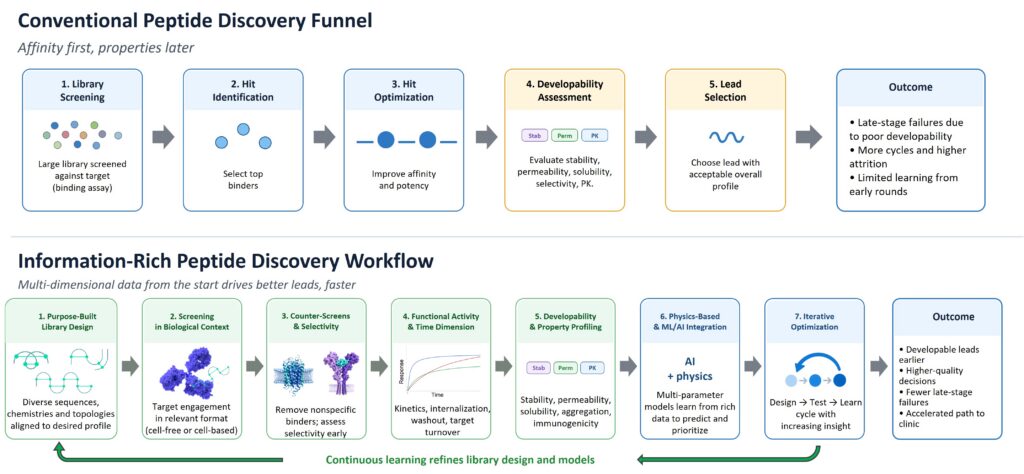
The strongest binder from a primary screen is not necessarily the best drug starting point. Peptide discovery campaigns should capture molecular architecture, biological context, time, and developability from the outset. The post Designing Peptide Screens to Generate Knowledge, Not Just Hits appeared first on GEN - Genetic Engineering and Biotechnology News .
Read more →New Publications: Pangenomics & Wildlife Genomics
The Biodiversity Genomics Europe plus (BGE+) Project builds on a pan-European collaboration to scale up the production and uptake of genomic evidence for taxonomy, monitoring, and policy. It widens participation, standardises methods, and prepares a distributed European system for biodiversity genomics that links molecules to ecosystems. The BGE+ consortium unites the International Barcode of Life in Europe (iBOL Europe, barcoding), the European Reference Genome Atlas (ERGA, reference genomes) and the Consortium of European Taxonomic Facilities (CETAF, taxonomic research and natural history collections) to align end-to-end workflows from field sampling to application. This publication is an abridged version of the successful grant proposal developed jointly by iBOL Europe, ERGA, and CETAF in response to the Horizon Europe call HORIZON-CL6-2025-01-BIODIV-03. BGE+ has four overarching objectives: (1) broaden participation and capacity
Read more →Abstract COBRA-like ( COBL ) genes encode plant-specific proteins associated with cell-wall organization, cellulose deposition, and developmental processes. Despite their functional relevance in model plants and crops, this gene family remains poorly characterized in Amazonian Malvaceae species. Here, we performed a comparative genomic analysis of COBL genes in two Theobroma grandiflorum clones, two T. cacao cultivars, and Herrania umbratica . Using homology searches, conserved domain validation, phylogenetic reconstruction, gene structure analysis, chromosomal mapping, transcript abundance profiling, molecular modeling, and selection tests, we identified 62 COBL genes across the analyzed genomes. COBL copy number varied among genomes, with T. cacao Matina showing the largest repertoire. All retained proteins contained the conserved COBRA domain and grouped into the two major COBL subgroups previously described in angiosperms, with subgroup-specific exon–intron organization largely conserved across species. Genomic distribution and duplication classification indicated contributions from tandem, segmental, dispersed, and proximal duplications, suggesting that multiple genomic processes shaped COBL family organization in Theobroma and Herrania . Phylogenetic analyses further recovered a putative lineage-specific COBL clade within the analyzed Malvaceae, indicating lineage-specific variation in this gene family. Structural modeling indicated overall conservation between representative proteins from this clade and COBL6 - associated proteins, although localized amino acid differences were observed within the COBRA domain. Selection analyses supported predominant purifying selection across the family, with limited evidence of episodic diversifying selection in specific lineages and no significant branch-level signal within the putative lineage-specific clade after correction. Overall, these results provide a comparative framework for COBL gene evolution in Theobroma and Herrania and identify candidate genes for future functional studies on cell-wall-related traits in economically important Malvaceae crops. Highlights Sixty-two COBRA-like genes were identified across Theobroma and Herrania genomes. COBL genes retained conserved subgroup architecture despite genome-specific copy number variation. Multiple duplication modes shaped COBL diversification in the analyzed Malvaceae. A putative Malvaceae-associated COBL lineage was recovered in Theobroma and Herrania . COBL genes evolved predominantly under purifying selection.
Read more →Abstract The human pangenome reference, often represented as a graph, promises to capture genetic diversity across populations, but open release of individual haplotypes raises significant privacy concerns, including risks of re-identification and inference of sensitive traits. To address these challenges, we introduce PanMixer, a framework for privacy-preserving pangenome graph releases that selectively obfuscates an individual’s haplotypes while retaining the utility of the reference graph. PanMixer formulates the privacy-utility trade-off as a knapsack problem, where privacy risk is quantified using information-theoretic measures and utility is measured using graph properties. Using the recently released draft human pangenome graphs, we show that PanMixer robustly reduces re-identification risk under linkage attacks and genome reconstruction attempts. We also show that PanMixer preserves the accuracy of key downstream applications, including allele frequency estimation, linkage disequilibrium analysis, and read mapping. By addressing privacy concerns, PanMixer enables the inclusion of individuals, particularly those from underrepresented populations, who might otherwise be reluctant to contribute but seek representation in future genomic studies. Our results provide both a practical tool and a generalizable framework for balancing privacy and utility in future large-scale pangenome references.
Read more →The Biodiversity Genomics Europe plus (BGE+) Project builds on a pan-European collaboration to scale up the production and uptake of genomic evidence for taxonomy, monitoring, and policy. It widens participation, standardises methods, and prepares a distributed European system for biodiversity genomics that links molecules to ecosystems. The BGE+ consortium unites the International Barcode of Life in Europe (iBOL Europe, barcoding), the European Reference Genome Atlas (ERGA, reference genomes) and the Consortium of European Taxonomic Facilities (CETAF, taxonomic research and natural history collections) to align end-to-end workflows from field sampling to application. This publication is an abridged version of the successful grant proposal developed jointly by iBOL Europe, ERGA, and CETAF in response to the Horizon Europe call HORIZON-CL6-2025-01-BIODIV-03. BGE+ has four overarching objectives: (1) broaden participation and capacity; (2) make distributed genomic data production interoperable and FAIR (Findable, Accessible, Interoperable, and Reusable) by design; (3) translate evidence into practice through co-designed use-case roadmaps; and (4) define the service portfolio and assess the financial and technical feasibility of a future European research infrastructure in biodiversity genomics. Through targeted cascade grants (Financial Support to Third Parties) and hands-on training, BGE+ enlarges community capacity while converging on shared protocols and standard practices, improving data interoperability and consolidating community efforts. Building on previous work, BGE+ carries forward the communities’ long-term vision: turning fragmented efforts into a coherent, scalable system that delivers reliable genomic evidence for taxonomy and policy.
Read more →Understanding the molecular mechanisms underlying phenotypic differentiation is central to evolutionary biology. Yet most traits are shaped by complex, polygenic architectures, making links between genomic change and phenotype difficult to resolve. Venom provides an advantageous model for genotype–phenotype research because it is produced in a specialized secretory tissue, governed by a modular regulatory system, and largely composed of proteins from a limited set of recurrent toxin gene families. In parallel, genomics enables reconstruction of species evolutionary histories and detection of structural variation within and between species. Here we used whole genome sequencing data from 27 individuals to investigate the evolutionary history of the three species of the desert viper genus Cerastes ( C. cerastes , C. gasperettii and C. vipera ), a group of arid-adapted Palearctic snakes. Whole genome produced broadly concordant inferences of population structure, phylogenomic relationships, and introgression, with previous studies based on genome-wide datasets, although whole genomes provided finer resolution. Conservation genomic analyses further revealed pronounced genomic consequences of long-term isolation in relict Arabian populations of C. cerastes . We also detected extensive interspecific and intraspecific structural variation across major toxin gene regions, suggesting that genomic structural changes may contribute to variation in venom composition. These findings indicate that structural variation is consistent with previously reported differences in venom composition among Cerastes . Overall, our study underscores the value of integrative genomic approaches for disentangling the multiple evolutionary processes shaping complex adaptive traits such as venom.
Read more →An Elastic Degenerate String (EDS, or ED-string) is a sequence of string sets. A pangenome, consisting of variations observed in a population along the genome sequences, can be naturally encoded as an EDS. Pattern matching and comparison problems on pangenome representations such as EDSes have been widely studied in the literature, but optimizing the pangenome properties during its construction has been largely omitted. We fill this gap by showing how methods originally developed for the related problem of founder reconstruction can be adapted to minimize, in linear time, the total cardinality of the EDS sets or the total size of the EDS strings, given suitable multiple alignments representing the input data. We provide an implementation for the minimum-cardinality criterion in a tool mincard, and conduct the first experiments on scalable pangenome optimization via EDSes. The code and experiments are available at https://github.com/algbio/eds.
Read more →ABSTRACT The Astur [ gentilis ] superspecies comprising five species has a long record of taxonomic debate. Recent evidence based on mitochondrial data, limited genomic data and bioacoustics suggested a Nearctic‐Palearctic split of the former Holarctic species Astur gentilis , leading to a taxonomic revision of classifying Palearctic Astur gentilis and Nearctic Astur atricapillus as separate species. To complement these previous efforts, we generated genome‐wide single nucleotide polymorphisms via ddRAD sequencing from historical museum specimens spanning the superspecies' range to provide evidence from nuclear genomic data. After stringent quality filtering, the final dataset comprised 53 individuals including one outgroup ( Accipiter nisus ) that were genotyped at 39,903 single nucleotide polymorphisms, representing Astur gentilis and A. atricapillus as well as A. melanoleucus from Africa and A. henstii from Madagascar. Phylogenetic analyses based on Maximum likelihood and Maximum parsimony yielded congruent topologies mirroring prior mitochondrial results, with Nearctic and Palearctic goshawks forming reciprocally well‐supported clades. African and Malagasy taxa ( A. melanoleucus and A. henstii ) emerged as sister group of the Palearctic A. gentilis clade. Multivariate clustering and indices of pairwise genomic fixation and differentiation underlined the strong genome‐wide divergence between Palearctic and Nearctic goshawks. Beyond resolving a long‐standing taxonomic puzzle, our findings carry immediate implications for conservation assessment, legal protection frameworks and future research that should treat Nearctic and Palearctic lineages independently. Museum collections proved essential for comprehensive taxon sampling in an elusive, conservation‐sensitive group, demonstrating the power of historical specimens to untangle raptor phylogenies.
Read more →Clownfishes are a complex of 28 species that rapidly diversified after acquiring mutualism with host sea anemones around 15 million years ago. The genomic mechanisms behind this radiation are only beginning to emerge, and structural variants (SVs) have received little attention. Previous phylogenomic studies suggested two large inversions on chromosome 18, but their distribution across the clownfish phylogeny and their potential effects have not been formally explored. SVs can disrupt gene function and regulation or alter gene dosage, and they have been shown to play a central role in adaptive evolution and diversification across many taxa. Here, we characterized SVs across the clownfish radiation using long-read PacBio sequencing, generating high-quality genome assemblies for sixteen species spanning the main lineages of the genus. We identified and catalogued nearly 130,000 SVs spanning close to 570 Mb. Short insertions and deletions were the most numerous, but large inversions accounted for most of the affected sequence. No SV was consistently associated with host specialization. We nevertheless confirmed a single inversion of approximately 17 Mb on chromosome 18, clarifying earlier reports of two separate rearrangements at this locus, and identified an additional inversion on chromosome 9 whose distribution suggests a history of hybridization. This study provides the first genome-wide characterization of structural variation in clownfishes, revealing extensive SVs despite the group's rapid and recent radiation. It also delivers new, high-quality genomic resources that will support future research into this iconic group of coral reef fishes and their adaptation to sea anemones.
Read more →Structural variants (SVs) are a major yet understudied source of genomic variation in conifers, whose large, repeat-rich genomes have hindered systematic SV discovery. Here, we combined whole-genome long-read and short-read sequencing to characterize the genomic landscape, functional impact, and evolutionary significance of SVs in a complex of three closely related pine species (Pinus densata, P. tabuliformis, and P. yunnanensis) with a hybridization history. From 21 long-read-sequenced individuals, we identified 5.7 million SVs, comprising 52% insertions, 43% deletions, and 5% inversions, duplications, and translocations. Approximately 97% of SVs were located in intergenic and intronic regions, and 60% overlapped transposable elements, whose activity shapes SV abundance and size variation. The proportion of loss-of-function (LoF) mutations was hundreds-fold higher among SVs than SNPs, with longer SVs more likely to cause LoF effects across all SV classes. Estimates of population diversity based on SVs and SNPs were largely concordant. In P. densata, the retention of parental SVs highlights the genomic signature of its admixed ancestry. We conducted graph pangenome-based SV genotyping in 29 short-read-sequenced individuals, yielding 44% recall and 70% precision, underlining the challenge of accurately recovering long-read-derived SVs in highly repetitive conifer genomes. Population-level selection scans on SNPs and genotyped SVs identified only 19% of candidate gene loci in common, indicating that the two marker types capture complementary components of environmental adaptation. Our findings demonstrate the importance of SVs as a dimension of genomic diversity and provide a foundation for integrating structural variation into evolutionary studies, conservation genomics, and tree breeding.
Read more →Abstract High-throughput sequencing has generated protein datasets whose scale increasingly exceeds the practical limits of conventional functional annotation workflows. We present Sma3s v3, a scalable reimplementation of the Sma3s three-step annotation strategy, which combines transfer from highly similar homologs, orthology-based inference, and functional enrichment among homologous proteins. Sma3s v3 replaces BLAST-based searches with MMseqs2 and introduces parallel processing, reusable SQLite caches, taxonomic filtering, and traceable outputs that retain the evidence underlying each assignment. We evaluated the method on a Vibrio cholerae pangenome comprising 50,415 gene clusters from 11,295 quality-filtered genomes and on a metagenomic catalogue containing 843,935 proteins. After excluding non-informative assignments, Sma3s v3 annotated 30,662 pangenome clusters (60.8%), comparable to InterProScan (60.2%) and exceeding eggNOG-mapper (41.4%), while providing 5,747 annotations not recovered by either comparator. Gene Ontology comparisons showed broad semantic agreement between methods, with Sma3s v3 frequently contributing more non-redundant information in Molecular Function and Biological Process. Within the pangenome, annotation coverage reached 97.1% for core clusters and approximately 59% for accessory and unique clusters. Exact protein matches to non-Vibrio genera identified 1,838 candidate horizontally transferred clusters enriched in genetic mobility, antimicrobial resistance, and metal tolerance functions. In the metagenomic catalogue, Sma3s v3 annotated 728,014 proteins (86.3%), compared with 616,895 (73.1%) using InterProScan 2026, and recovered approximately 20,000 unique functional terms. These results establish Sma3s v3 as a scalable and interpretable tool for functional annotation and re-annotation of proteomes, pangenomes, and metagenomic protein catalogues.
Read more →ABSTRACT The Guinan toad‐headed lizard, Phrynocephalus guinanensis , is a small reptilian species restricted only to the Mugetan Desert on the northeastern corner of the Qinghai–Xizang Plateau. This species faces endangerment due to its extremely narrow distribution range, combined with progressively increasing human activities recently. However, a conservation genomic assessment of P. guinanensis remains uninvestigated, thus resulting in a limited understanding of the genetic diversity of this species. Here, we assembled a high‐quality reference genome for P. guinanensis using HiFi sequencing technology and conducted a comprehensive assessment of its population genetic diversity by integrating data from 191 individuals across 14 populations. The updated genome size was 1.84 Gb with a scaffold N50 of 133.2 Mb, and 21 884 coding genes were annotated. The lower genetic diversity (mean π = 1.0253 × 10 −3 , mean heterozygosity = 8.8150 × 10 −4 ), higher inbreeding levels (mean F ROH = 0.0778), and an elevated mutation load (mean Missense = 0.5660, mean LOF = 0.5689) were detected in P. guinanensis . Based on the demographic simulation, this species has experienced a significant decrease in effective population size. Our results indicated that P. guinanensis is undergoing severe genetic erosion, which may compromise its adaptive potential and increase its extinction risk. We therefore propose prioritizing genetically diverse populations as a source for captive breeding and long‐term field monitoring to ensure the viability of P. guinanensis . Our study enriches the understanding of the Guinan toad‐headed lizard's genetic diversity, providing useful genomic resources for conservation strategies on this species.
Read more →Abstract Eucalyptus recurva (Mongarlowe Mallee) is Critically Endangered, with only six known adult individuals persisting across two sites in the Southern Tablelands of New South Wales, Australia. Its extreme rarity, uniquely long lifespan, and limited reproductive output make it a priority for conservation genomics. Here we report the first genome assembly of E. recurva : a haplotype-resolved, gapless, telomere-to-telomere (T2T) assembly produced from Oxford Nanopore Technologies (ONT) long-read sequencing. Both haplotypes span 11 chromosomes (consistent with the conserved Eucalyptus karyotype of 2n = 22), with assembly sizes of 521.1 Mb (Hap 1) and 501.5 Mb (Hap 2), BUSCO completeness >99.6%, and quality values of >QV 62. Comparative analyses place E. recurva within section Maidenaria as sister to Eucalyptus viminalis and reveal high synteny between the two species. Inter-haplotype comparison identified 3.6 million SNPs and modest structural variation, suggesting that, despite extreme demographic bottlenecking, E. recurva retains meaningful genomic heterozygosity. We also characterise the chloroplast genome, which exhibits heteroplasmy, and report an apparently bipartite mitochondrial genome. This reference genome provides an essential resource for conservation management, population genetics, and the study of eucalypt genome evolution.
Read more →Abstract The huemul ( Hippocamelus bisulcus ) is an endangered cervid endemic to the Andean–Patagonian region of South America, where it persists in small, fragmented populations. The lack of a reference genome has limited genomic approaches to huemul conservation and evolutionary research. Despite moderate theoretical coverage (∼22.8×), Oxford Nanopore long reads yielded the first highly contiguous and nearly complete nuclear genome assembly for H. bisulcus . The 2.50-Gb assembly achieved a contig N50 of 8.75 Mb, 99.0% genome-mode BUSCO completeness, an estimated k-mer completeness of 95.63%, and an ONT k-mer-based QV estimate of 48.11. Reference-guided scaffolding against the white-tailed deer ( Odocoileus virginianus ) genome organized 94% of the assembly into 36 chromosome-scale pseudomolecules (34 autosomes, X, and Y; scaffold N50 = 68.56 Mb). Repeat annotation identified 38.09% of the assembly as repetitive, dominated by LINEs, consistent with other cervid genomes. Coordinate-based annotation transfer with LiftOn identified 20,042 protein-coding genes, with 95.9% protein-mode BUSCO completeness in the representative predicted proteome. We also assembled a complete circular mitochondrial genome of 16,405 bp containing the expected 37-gene complement in the conserved vertebrate arrangement. Nuclear and mitochondrial phylogenies placed H. bisulcus within Odocoileini (Capreolinae), while the mitochondrial analysis recovered H. bisulcus and the taruka, H. antisensis , as a maximally supported sister pair. Comparative analysis across nine Cervidae proteomes assigned 98.8% of the representative H. bisulcus proteins to orthogroups shared with at least one other species, indicating broad recovery of the conserved cervid protein repertoire. This study provides the first nuclear genome for the South American genus Hippocamelus and the first nuclear and mitochondrial genomic resources for H. bisulcus , establishing a foundational framework for population genomics, conservation management, and evolutionary studies of this emblematic Patagonian deer.
Read more →ABSTRACT Black flies (Diptera: Simuliidae) are important vectors of pathogens affecting human and animal health, yet the absence of a chromosome-level nuclear reference genome has constrained molecular and evolutionary studies of the family. Here, we present the first chromosome-level nuclear genome and a developmental transcriptomic resource for the long-established IS-7 laboratory lineage of Simulium vittatum . Combining Oxford Nanopore long-read sequencing with Hi-C scaffolding, we assembled a 340.4-Mb genome, with 99.1% of the assembly resolved into three chromosome-length scaffolds (N50=104.8 Mb, BUSCO completeness 93.9%), consistent with the known 2n = 6 karyotype. Using the historically mapped molecular landmarks SVAT and SVEP, we assigned the two arms of chromosome III as IIIS and IIIL, respectively, linking sequence coordinates to the classical polytene chromosome map. Repetitive DNA comprises 46.48% of the assembly, including 29.68% unclassified repeats, and annotation identified 14,732 protein-coding genes and 16,417 transcripts. This reference genome connects classical black fly cytogenetics with sequence-level analyses of genome organization, structural variation, and gene content, addressing a major genomic gap within Culicomorpha and providing a foundation for comparative studies of chromosome evolution, hematophagy, and vector biology across Simuliidae.
Read more →The field of primate conservation genomics is at a pivotal transition from resource accumulation to translational application. A core challenge remains: how to translate evolutionary genomic discoveries into actionable conservation strategies, rather than treating genomic metrics as end-point indicators in isolation. Gibbons, an iconic primate lineage defined by rapid adaptive radiation, extreme genome structural remodeling, derived brachiation locomotion, and global conservation priority status, offer an exemplary system to explore the integration of evolutionary genomics and conservation biology. Multi-temporal genomic data, spanning extant populations, subfossil remains, and historical museum specimens, now offer unprecedented resolution to trace extinct lineages, establish pre-anthropogenic genetic diversity baselines, and dissect the genetic architecture of adaptive traits. Nonetheless, there is a growing risk of overinterpreting genomic indicators in conservation planning, without accounting for ecological context, population demography, habitat dynamics, and local management realities, creating a persistent gap between genomic discovery and on-the-ground conservation impact. Against this backdrop, this review synthesizes gibbon genomic research to propose a framework from evolutionary reconstruction and multidimensional vulnerability assessment to conservation intervention and long-term dynamic monitoring. We clarify the supporting role of genomic evidence in conservation decision-making, and delineate a practicable pathway for integrating genomics with field ecology and conservation management. Beyond gibbons, this paradigm provides a generalizable reference for conservation genomic practice across endangered primates and vertebrates more broadly.
Read more →Urban expansion is among the most rapid and irreversible forms of land transformation on Earth, and its consequences for wildlife extend far beyond the simple loss of natural habitat. As cities grow, resident and colonising species encounter altered food availability, modified predator and competitor communities, novel disease dynamics, chemical and light pollution, and fragmented landscapes that together reshape behaviour, physiology, genetic structure and long term population viability. This review synthesises recent evidence on how Urbanization influences wildlife across several interconnected domains. Behavioural shifts include altered diet, activity timing and resource specialisation among urban adapted mammals and birds. Physiological consequences range from changed body condition to inconsistent patterns of disease burden that depend heavily on the specific species, life stage and health metric considered. Genetic and evolutionary responses include reduced gene flow, altered population structure and candidate signatures of selection in several taxa. Urban environments also reshape host pathogen dynamics, gut microbial communities and cross species pathogen transmission at the human wildlife interface. At the community level, Urbanization restructures pollinator, bird, ant and invertebrate assemblages in ways that are often trait dependent rather than uniformly favourable or unfavourable to any single group. Finally, the review considers the conservation and governance implications of these findings, emphasising the value of Urbanization gradients, ecological network planning and locally grounded management for reconciling continued urban growth with the persistence of wildlife populations.
Read more →Swordfish (Xiphias gladius) is managed in the Atlantic Ocean and Mediterranean Sea as three major stocks, although their correspondence with underlying genomic population structure remains uncertain. Here, we combined a newly assembled reference genome with ddRAD sequencing of 575 swordfish from 14 Atlantic and Mediterranean areas to characterize genomic population structure and genetic differentiation relative to the current ICCAT management framework, evaluate individual stock assignment and ancestry across management boundaries, and compare genetic-diversity patterns among stocks and sampling areas. After quality control, 504 individuals were retained, with 26,324 SNPs used for diversity analyses and 15,049 LD-pruned SNPs for population-structure and assignment analyses. Multivariate analyses, pairwise differentiation, AMOVA, and ADMIXTURE consistently identified strong Mediterranean–Atlantic differentiation, whereas North and South Atlantic swordfish showed much weaker and partly continuous genomic structure. Formal stock identification, DAPC, and ADMIXTURE consistently assigned 11 individuals from Portugal and the Canary Islands to the Mediterranean stock. Within the Atlantic, ancestry patterns were more diffuse and included individuals with assignments discordant with their a priori management stock. Heterozygosity was broadly similar among stocks, whereas rarefied allelic richness was lower in the Mediterranean than in either Atlantic stock. Overall, the current management framework captures the major Mediterranean–Atlantic differentiation but only partially reflects the weaker genomic structure within the Atlantic. These findings show that population-genomic analyses can refine stock-structure inference and individual assignment while providing complementary information for swordfish assessment and monitoring.
Read more →6 lower-relevance results (filtered by local model)
Breakthrough advances in long-read sequencing have opened unprecedented opportunities to study genetic variations through pangenome analysis, yet tools that effectively leverage such frameworks for structural variant (SV) detection remain limited. In addition, efficient construction of pangenome graphs becomes increasingly challenging with the acquisition of larger numbers of samples. Here we present SVPG, an approach that leverages haplotype-resolved pangenome reference for accurate SV detection and rapid pangenome graph augmentation from long-read sequencing data. Compared with state-of-the-art SV callers, SVPG maintained superior overall performance across different sequencing technologies and coverages. SVPG also achieved notable improvements in calling individual-specific SVs, including rare and somatic SVs. Furthermore, in a benchmark involving 20 samples, SVPG accelerated pangenome graph augmentation by nearly tenfold compared with traditional augmentation strategies. These results indicate that SVPG has the potential to improve SV detection and serve as an effective tool, offering new possibilities for advancing pangenomic research.
Read more →Abstract Recent advances in long read sequencing technologies have promised to overcome the many limitations associated with a single linear incomplete reference genome, including missing sequences, reference bias, and inability to resolve structural variants. An increasing number of telomere-to-telomere (T2T) complete genomes, including haplotype resolved ones, have been or are being generated for several pig breeds. In addition, long read sequencing enabled the production of many highly contiguous pig genome assemblies, forming the basis for swine pangenomes. I will provide an update on projects producing swine complete genomes and pangenomes and discuss how the applications of them will transform swine genetics research and development.
Read more →Emerging and novel ovine viruses pose increasing threats to animal health, livestock productivity, trade, food security, and public health preparedness. Their emergence is driven by complex interactions among animal movement, mixed-species production systems, wildlife–livestock interfaces, arthropod vectors, environmental changes, and viral evolution. This review critically compares current strategies for identifying major, emerging, re-emerging, zoonotic, and newly recognized ovine viruses, with emphasis on their analytical sensitivity, turnaround time, throughput, operational cost, accessibility, field applicability, validation status, and capacity for novel-virus detection. Conventional diagnostic approaches, including virus isolation, serology, antigen detection, histopathology, and immunohistochemistry, remain essential for confirmation and flock-level surveillance but may be limited by slow turnaround, dependence on specialized facilities, reduced sensitivity at low viral loads, and an inability to identify highly divergent or unknown viruses. Targeted molecular assays, including PCR, RT-PCR, qPCR, multiplex assays, digital PCR, isothermal amplification, and CRISPR-based diagnostics, have improved detection speed and sensitivity but generally require prior knowledge of viral genomic targets. Genomic and metagenomic approaches, including whole-genome sequencing, next-generation sequencing, nanopore sequencing, viral metagenomics, bioinformatics, and phylogenetic analysis, provide broader detection capabilities by enabling characterization of viral diversity, outbreak tracing, co-infection identification, and discovery of previously unrecognized viruses. However, their interpretation remains challenging due to low viral abundance, poor sample quality, host nucleic acid background, contamination, incomplete reference databases, limited computational capacity, and the inability of sequence detection alone to confirm disease causality. Therefore, future ovine virus surveillance requires integration of molecular diagnostics with active, passive, outbreak-based, risk-based, vector, wildlife, and animal-movement surveillance within a One Health framework. Linking genomic information with ecological, epidemiological, and environmental data will be essential for transforming ovine virus surveillance from reactive diagnosis toward proactive preparedness. Advances in standardized sampling, validated field diagnostics, affordable sequencing, curated databases, bioinformatics capacity, and cross-sector data sharing will strengthen early recognition, risk assessment, and preparedness against emerging viral threats in sheep.
Read more →The highly repetitive regions of the human genome were long underrepresented from reference assemblies, limiting study of their biological function. Long-read sequencing and improved assembly algorithms have since resolved many of these regions, from centromeres to ribosomal DNA arrays, revealing structural variation increasingly linked to human disease. However, the subtelomeres, the repeat-rich regions adjacent to the telomeres at each chromosome end, have remained poorly characterized. Here we present a collection of complete subtelomeric sequences spanning all non-acrocentric chromosome arms, derived from 860 haploid assemblies across six ancestry groups. We find that while subtelomeres are mosaics of blocks shared between chromosome arms, individual arms diverge extensively, such that most non-acrocentric autosomal arms (54%, 21 of 39) carry multiple haplotypes differing by up to 100-200 kb. These blocks are broadly conserved across the great apes. In humans, their diversity is associated with chromosome arm rather than ancestry, suggesting that cross-arm paralogy block duplications predate human population divergence, although some haplotypes show ancestry-specific enrichment. Remarkably, these divergent haplotypes differ in gene content, driving gene copy-number variation between individuals among olfactory receptors and other genes. This study also revealed rare subtelomeric recombination. We further show that our subtelomere data set enables the accurate measurement of telomere length at individual chromosome ends from long-read data. Together, these assemblies reveal an unappreciated scale of variation at human chromosome ends and provide a resource for studying the roles of this variation in disease, telomere biology and genome evolution across diverse populations.
Read more →Local chicken genetic resources (LCGRs), representing a unique gene pool shaped by millennia of natural and artificial selection, not only sustain the supply of high-quality protein but also serve as useful biological models for deciphering the evolution of complex traits and environmental adaptability. However, extensive introgression from commercial breeds is causing rapid genetic erosion. Systems biology and multi-omics technologies are reshaping our understanding of the regulatory networks underlying local chicken genetic resources. This review synthesizes four advances. First, at the genomic reference level, long-read sequencing is driving a transition from single linear reference assemblies to high-quality, near-telomere-to-telomere assemblies and graph pangenomes, enabling the unbiased capture of structural variations and microchromosomes. Second, multi-omics studies have begun to integrate association-based evidence across multiple biological layers, including epigenetic variation, single-cell and spatial heterogeneity, cross-tissue metabolic relationships, and host-microbiome interactions. Third, commercial introgression is severe but strongly breed-dependent, affecting 0.64% to 21.52% of the genome across eight Chinese indigenous breeds. We examine how omics findings could be translated into conservation practice by integrating three components into a proposed closed-loop framework: dynamic early-warning monitoring based on effective population size, management of functional variants using a weighted genomic relationship matrix, and primordial germ cell cryopreservation and editing. These components sit at very different levels of evidence, and the complete pipeline has not yet been evaluated longitudinally in any conservation flock. Finally, in the realm of intelligent prediction, the mechanistic attribution provided by explainable artificial intelligence and the zero-shot variant effect prediction capabilities of cross-species genomic foundation models offer two complementary routes, neither of which has yet been applied to a local chicken population. Together, these advances are shifting local chicken genetic resources management from observation-based description toward mechanism-informed decision-making. Rather than reporting an accomplished transition, this review sets out an emerging and feasible roadmap and identifies the evidence gaps that must be closed before it can be implemented.
Read more →Sporotrichosis, a subcutaneous mycosis caused by dimorphic fungi of the Sporothrix genus, has become a major zoonotic epidemic in South America, primarily driven by Sporothrix brasiliensis. To elucidate the genomic basis of its emergence and antifungal adaptation, we analyzed whole-genome sequences from 95 Sporothrix isolates, integrating single-nucleotide polymorphism (SNP), copy number variation (CNV), and genome-wide association (GWAS) analyses. Comparative genomics revealed 610,242 SNPs within S. brasiliensis and 1,474,627 within S. schenckii, confirming a marked disparity in intraspecific diversity. Phylogenomic tree inference resolved six well-supported S. brasiliensis clades with limited internal divergence, reflecting recent population expansion, while S. schenckii displayed deep phylogeographic structure separating North and South American lineages. CNV profiling identified 158 affected genes in S. brasiliensis (60 gains, 98 losses) and 88 in S. schenckii (54 gains, 34 losses), concentrated near sub-telomeric regions. In S. brasiliensis, gains were enriched for kinases and intracellular trafficking functions, whereas losses involved genes related to translation and primary metabolism, suggesting regulatory reinforcement coupled with metabolic streamlining. A GWAS of itraconazole resistance identified 81 SNPs distributed across multiple scaffolds, with many located within genes related with transport, signaling, and redox balance, supporting a polygenic basis for azole response. The implication of these alleles with itraconazole resistance warrants experimental followup. Together, these results highlight distinct evolutionary strategies of closely related Sporothrix species and pinpoint genomic changes potentially associated with the emergence and drug tolerance of S. brasiliensis.
Read more →Comics
xkcd
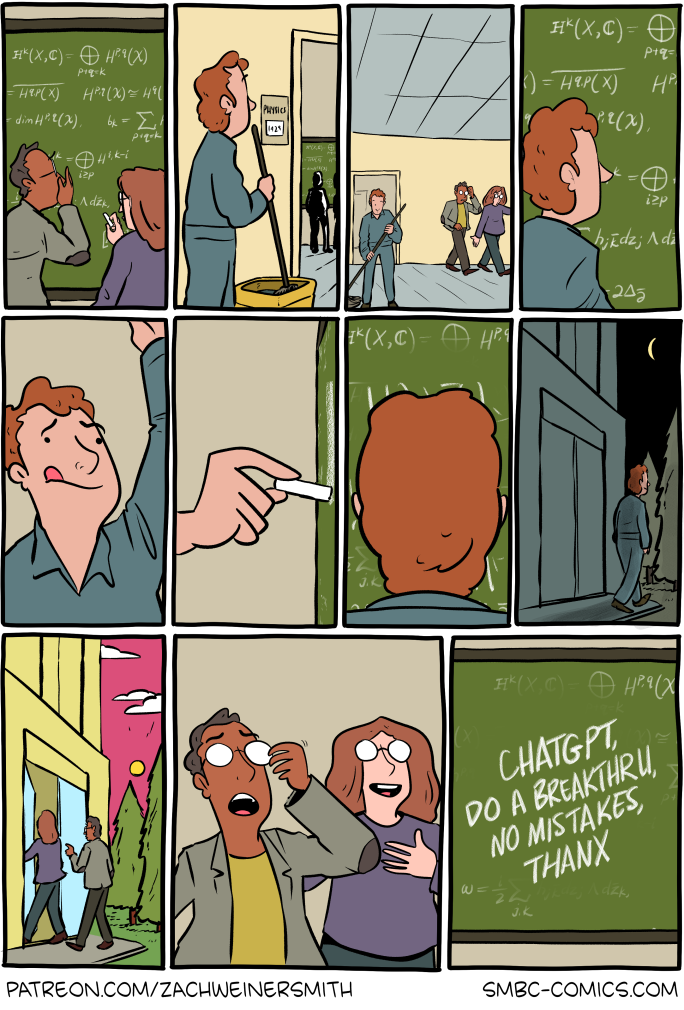
SMBC


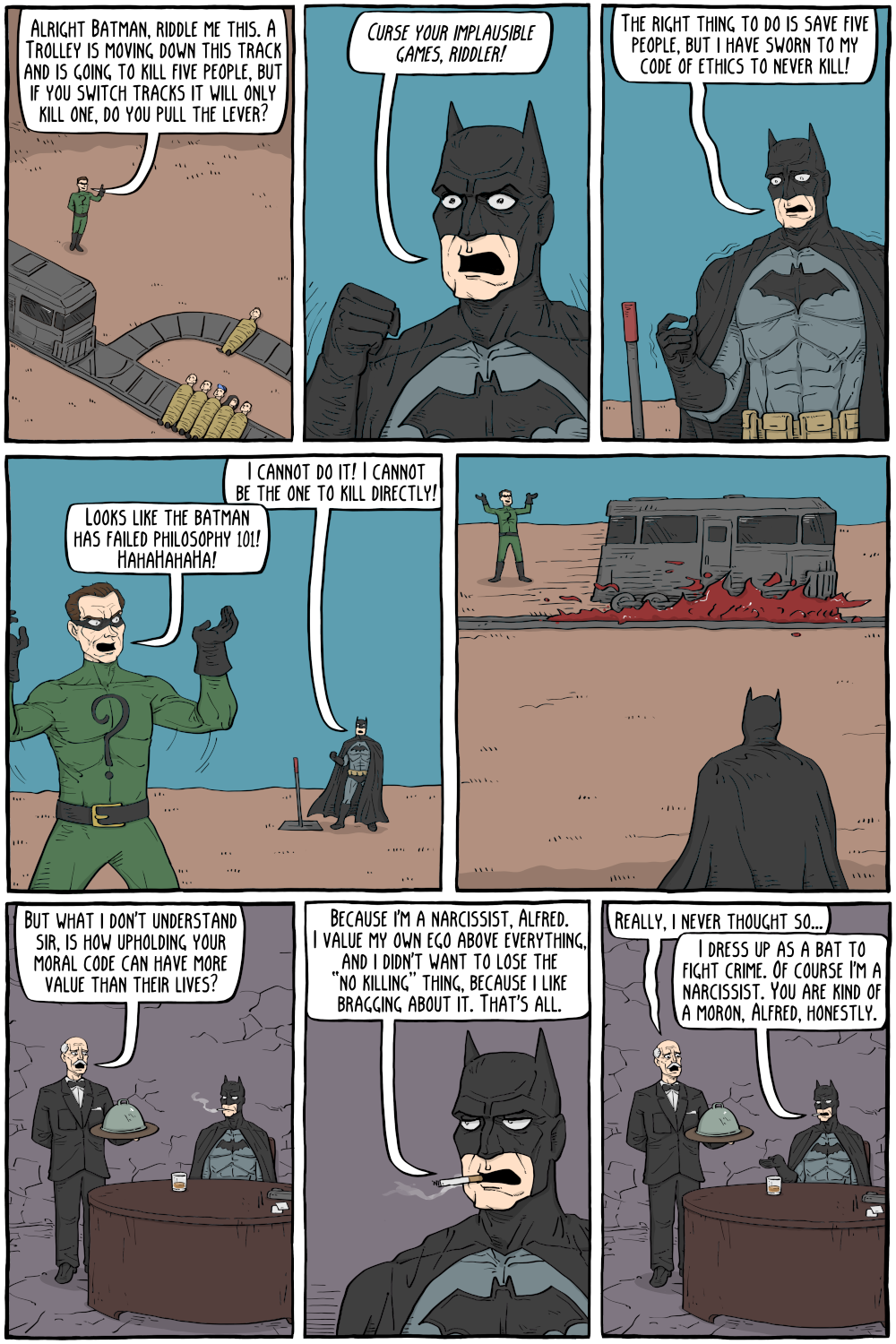
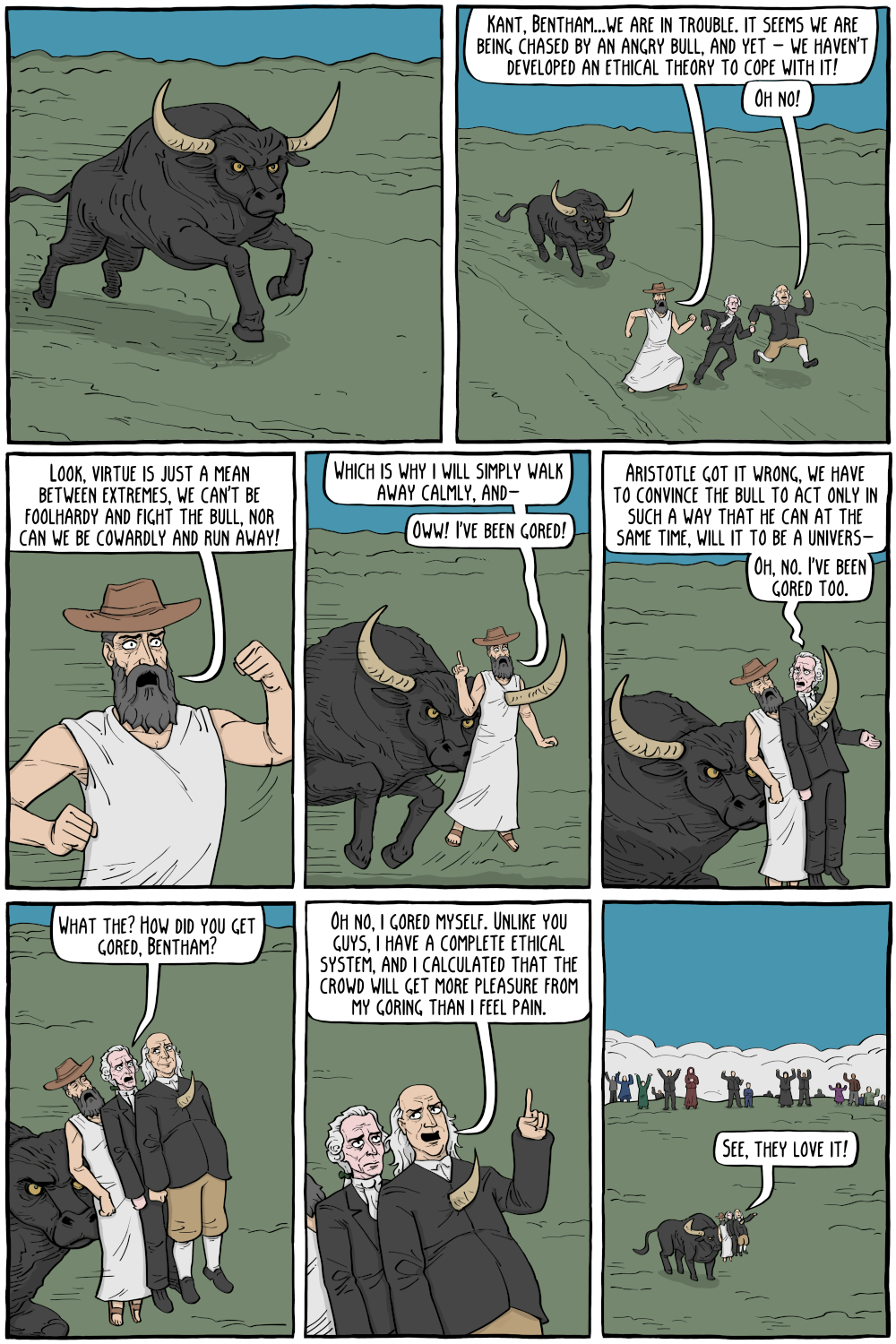
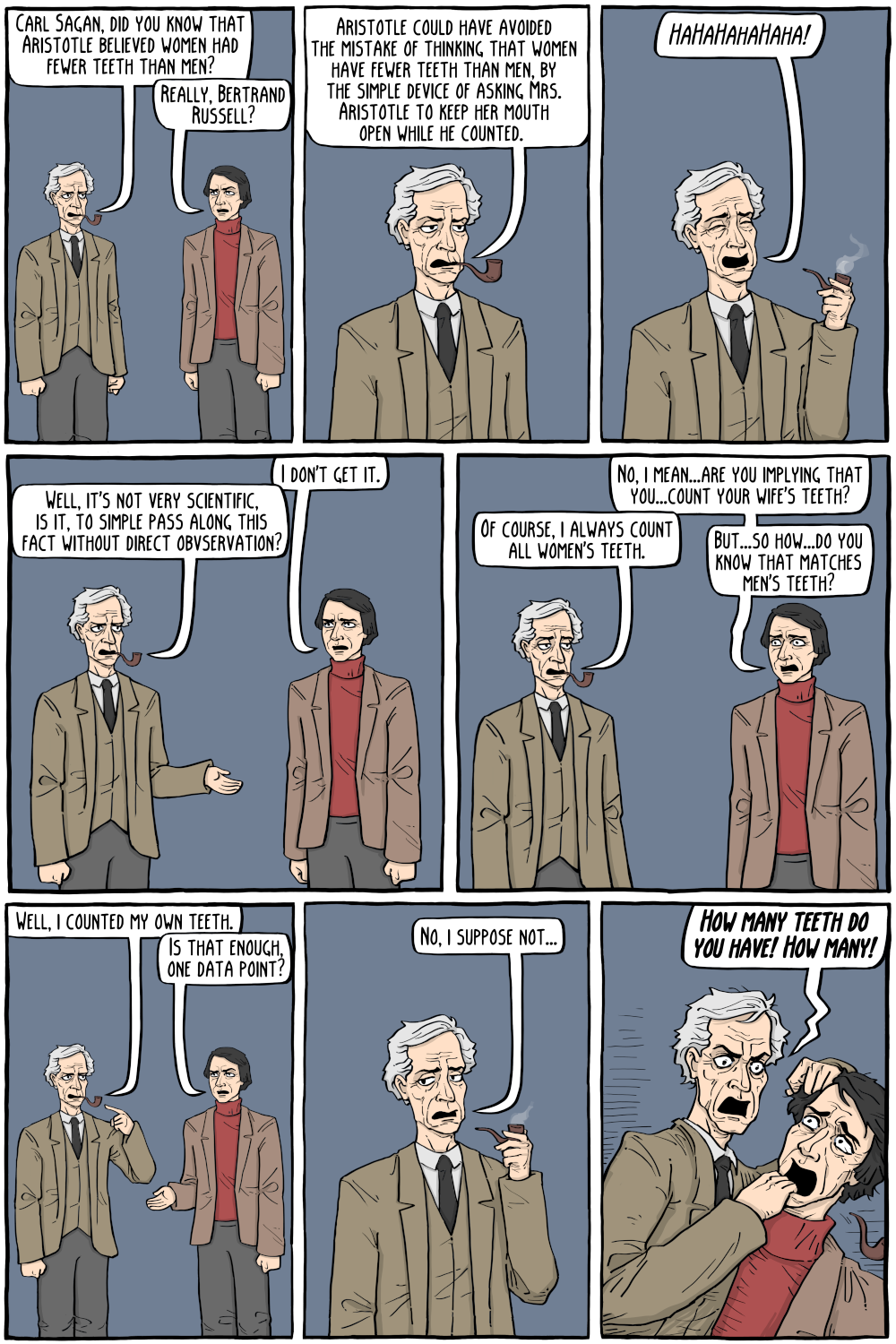
Existential Comics



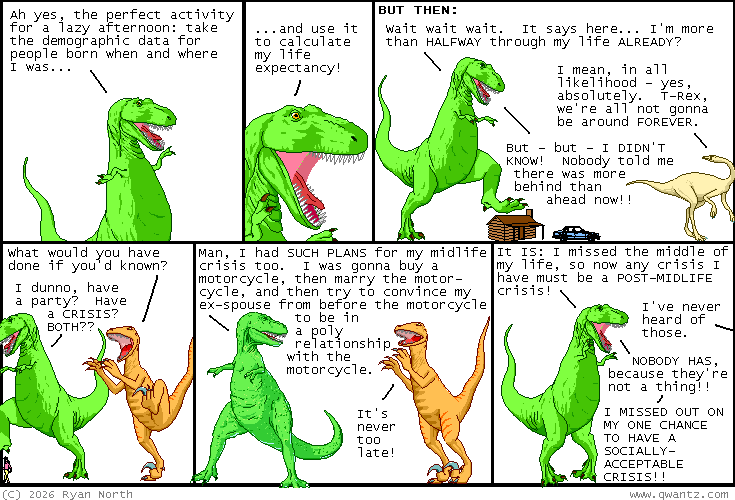
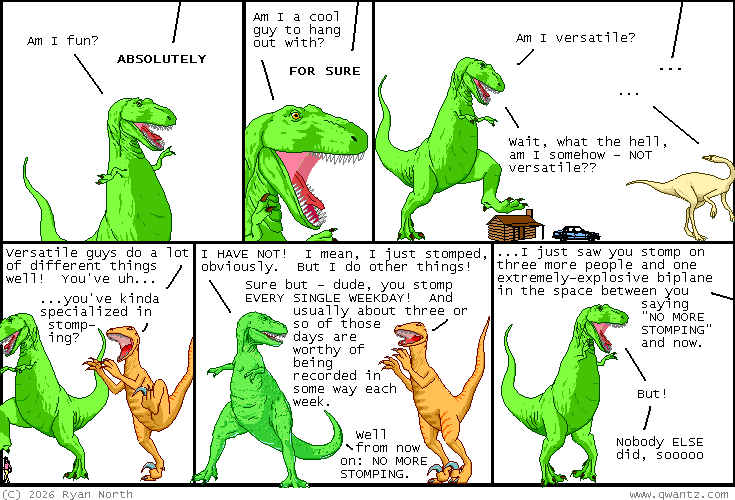
Dinosaur Comics
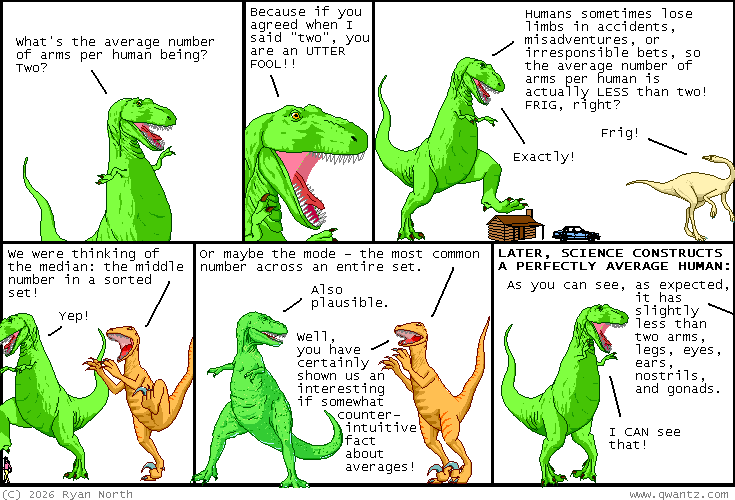
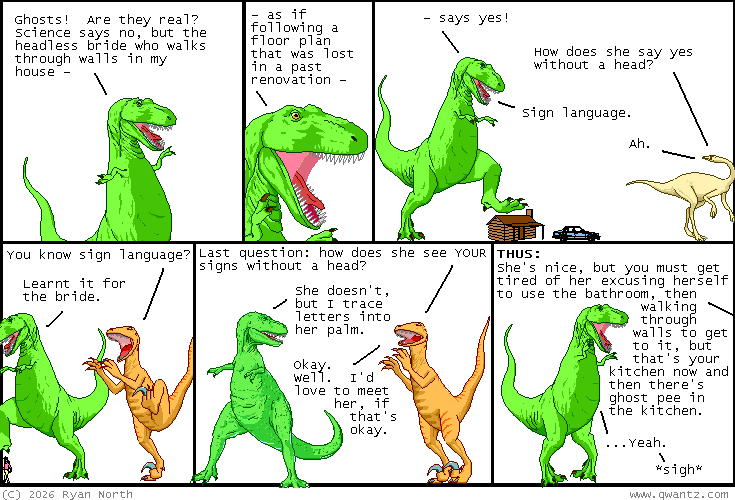
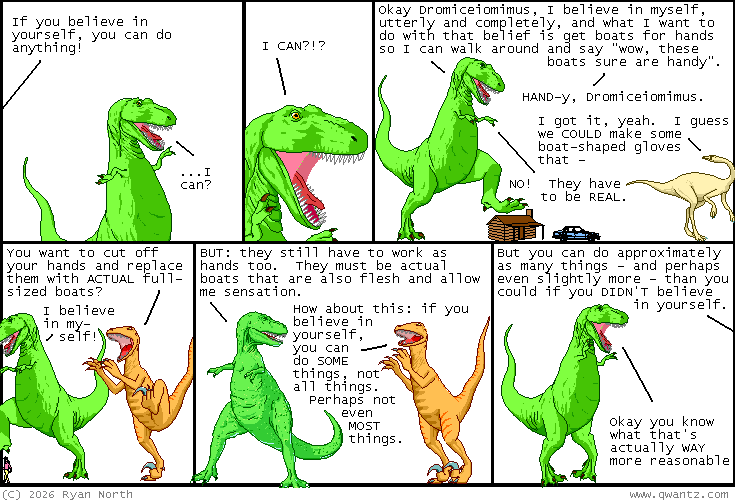
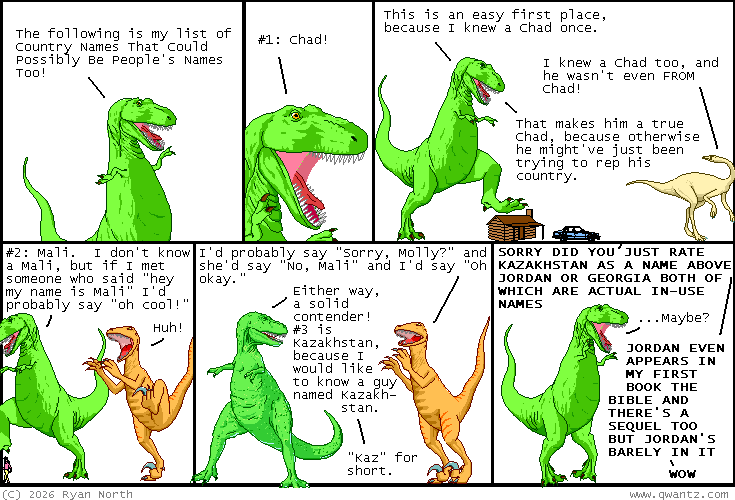
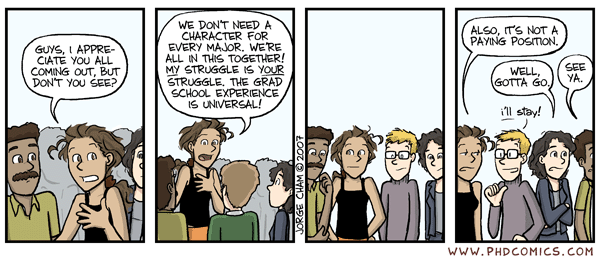
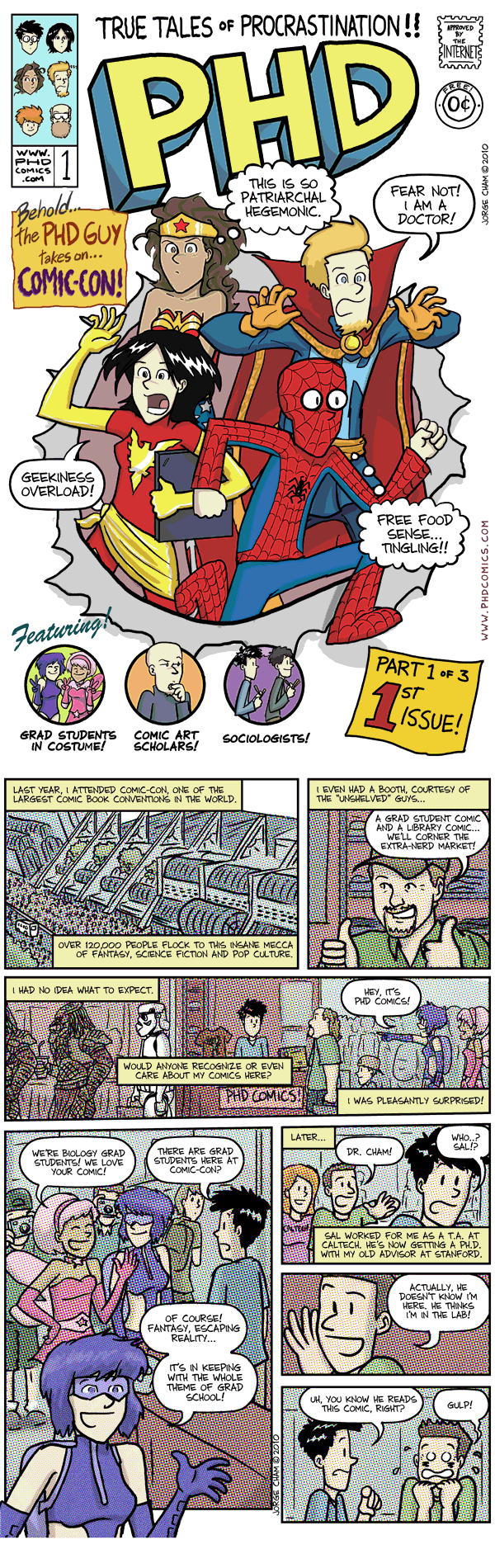
PhD Comics
Inspirobot